A Guide to the DISC Assessment: Types, Benefits, and Practical Uses
- 22 December 2025

Online DISC Personality Test With Profile Assessment
Get StartedUnderstanding the Foundation and Why Behavioral Insight Matters
People collaborate better when they grasp how motivations and communication styles differ across colleagues and clients. Teams that recognize patterns in behavior can reduce friction, boost momentum, and turn conversations into results faster. Instead of guessing why someone reacts a certain way, a proven framework helps decode tendencies with nuance and clarity.
Across workplaces and coaching practices, many readers appreciate when the core concepts are translated into plain language, which is why DISC assessment explained becomes a compelling entry point for professionals seeking an actionable overview. By demystifying the core dimensions, dominance, influence, steadiness, and conscientiousness, leaders and contributors can move from theory into practical usage with confidence.
Clarity deepens when you know what to expect from results, because insights become easier to apply in meetings, one-on-ones, and project kickoffs, and that is where DISC assessment shows its real-world utility beyond abstract ideas. The model provides a shared vocabulary for discussing preferences under pressure, preferred pace, and decision-making style without labeling people as good or bad.
- Reduces misinterpretation during feedback and planning.
- Builds empathy by revealing what energizes or drains each style.
- Accelerates alignment on roles, handoffs, and stakeholder expectations.
- Supports fair conflict resolution using neutral, behavior-based language.
How the Model Works, Key Dimensions, and Practical Interpretation
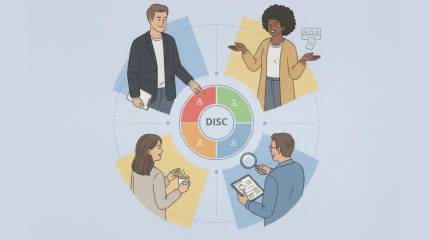
At its core, the framework maps behavior against two axes: speed (fast-paced vs. calm-paced) and focus (task vs. people). This simple map surfaces four primary styles that show up in email tone, meeting behavior, and decision cadence. Rather than boxing individuals in, it highlights typical preferences and likely stress responses, which lets you tailor communication to land more effectively.
Coaches often begin with behavior cues and everyday scenarios, then connect those moments to validated patterns, which is why DISC assessment meaning should be grounded in context rather than jargon. When a colleague prefers concise bullet points and measurable outcomes, for example, choosing structure over story can make collaboration dramatically smoother.
Organizations that invest in development want tools that integrate seamlessly with onboarding, sales training, and performance conversations, so DISC personality assessment becomes a practical bridge between reflection and execution. Teams learn to spot what drives momentum, when to slow for alignment, and how to prevent confusion before it starts.
Output reports typically group observations into highlights, blind spots, and tips for working with other styles, and this is where DISC profile assessment turns data into guidance. Clear summaries, role-based suggestions, and scenario playbooks help people act on insights quickly without needing a facilitator every time.
Benefits for Leadership, Team Dynamics, and Communication Mastery
High-performing organizations build cultures where feedback travels fast and psychological safety stays strong. Leaders who adapt messaging to audience preferences tend to reduce rework, increase buy‑in, and shorten cycle times. When behavior language becomes part of daily practice, performance conversations shift from personality judgments to observable patterns and better next steps.
Executives evaluating succession pipelines often seek targeted development pathways, which is why DISC leadership assessment adds value by pinpointing coaching priorities for influence, decisiveness, and stakeholder management. Clarity around stress triggers also helps managers avoid over-relying on one strength until it becomes a liability under pressure.
Cross-functional teams thrive when individuals can predict how others prefer to receive information, and that is where DISC assessment profile insights transform meetings, handoffs, and written communication into smoother workflows. Once teams internalize style cues, they can preempt conflict and tailor collaboration norms to fit the mix of people involved.
Complex roles require agility across contexts, so practitioners often pair scenario practice with targeted prompts, and in that process DISC assessment personality test findings become the basis for realistic drills that build muscle memory. By rehearsing how to flex style under changing constraints, teams turn theory into reliable habits.
- Sharper stakeholder mapping and message tailoring.
- Cleaner decision rights and faster alignment in cross-functional work.
- Reduced misunderstandings during change initiatives and high-stakes projects.
- Stronger coaching conversations anchored in observable behavior.
Taking the Assessment, Comparing Options, and Applying Results
Before completing any instrument, decide what you want the outcome to inform: hiring, onboarding, coaching, sales enablement, or team reset. Clear objectives help you pick the right format, identify the right debrief method, and plan follow‑through. Once you have results, schedule a quick application session to translate insights into meeting norms, email guidelines, and decision frameworks.
If you prefer a structured route with benchmarked items and a brief completion time, many practitioners recommend a standardized route where DISC assessment test outputs include both narrative guidance and situational tips. Paired with a debrief, this approach speeds up learning and reduces misinterpretation of the report language.
Budget-conscious teams sometimes explore introductory options as a starting point, and in those cases DISC assessment free pathways can catalyze interest before a broader rollout. A pilot group can compare experiences, evaluate accuracy, and decide whether to scale to a premium platform for deeper reporting and team mapping.
| Format | Best Use Case | Typical Time | Depth of Insight |
|---|---|---|---|
| Self-guided questionnaire | Individual reflection and quick coaching prep | 12–20 minutes | Moderate |
| Facilitated workshop | Team resets and conflict prevention | 2–4 hours | High |
| Manager-led debrief | Role onboarding and performance reviews | 45–60 minutes | High |
| Enterprise platform | Organization-wide talent development | Ongoing | Very High |
When remote teams want accessibility across time zones, it helps to leverage digital delivery, and that is where DISC assessment online free trial experiences can lower the barrier to entry while you evaluate vendor fit. Be sure to confirm data privacy, reporting clarity, and follow‑up resources before committing.
After delivery, the most overlooked step is converting insights into rituals that stick. Use playbooks, role cards, and meeting templates to sustain momentum. Add style-aware norms to project kickoffs, sales DISCovery, and retrospectives so the language becomes part of everyday execution.
FAQ: Practical Answers to Common Questions
What are the four primary styles, and how do I recognize them?
Each style reflects a blend of pace and focus that shows up in communication, decisions, and reactions to stress. You can spot patterns by listening for brevity versus elaboration, and by noting whether someone prioritizes outcomes or relationships during tradeoffs.
Is the model a personality test or a behavioral inventory?
Most practitioners describe the framework as a lens on observable behavior rather than a deep clinical profile. For those seeking a hybrid language that bridges everyday actions and stable preferences, DISC assessment meaning often sits at the intersection of tendencies and situational context.
How accurate are the results across different providers?
Reliability depends on item design, norming, and the quality of debriefs that follow the questionnaire. Teams get better results when they combine a validated tool with coaching that connects findings to specific roles and workflows.
Can I try the tool without committing to the budget?
Many vendors offer limited pilots or introductory versions that help users gauge fit before scaling to a full rollout. After a quick exploration, DISC assessment test free options can help you compare clarity, interface, and the usefulness of the generated summaries.
What’s the best way to interpret and apply my results?
Start by identifying two strengths you can lean on this quarter and one stretch behavior to practice in real meetings. If you need a low‑friction starting point to share with a peer or coach, DISC assessment online free resources can provide checklists and micro‑exercises that make the first week of application straightforward.