The Complete Guide to Free DISC Assessments
- 24 December 2025

Online DISC Personality Test With Profile Assessment
Get StartedWhat Is DISC and Why Does It Matter
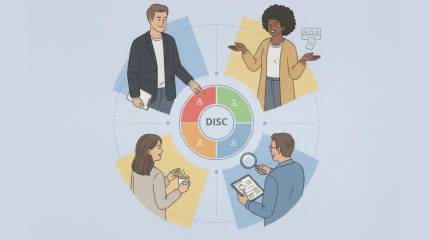
DISC is a behavioral framework that explains how people prefer to communicate, make decisions, and respond to pressure. Rather than labeling someone as good or bad, the model shines a light on preferences across four factors: Dominance, Influence, Steadiness, and Conscientiousness. This clarity helps teams collaborate with fewer misunderstandings, managers coach with nuance, and individuals leverage their strengths more consistently. When you can name patterns, you can shape outcomes, reduce friction, and create workplaces where diverse styles thrive.
Many readers first encounter DISC while seeking an approachable entry point to personality insights they can use right away. You can begin by exploring a DISC assessment free option available through credible learning platforms. Another accessible starting path is to try a DISC personality test free resource that summarizes tendencies with practical tips for communication and collaboration. Whether you manage a cross-functional group or you’re navigating a career pivot, this model supplies language that makes complex behavior easier to DISCuss constructively.
- Clear terminology reduces ambiguity during feedback conversations.
- Simple graphs or summaries help teams adopt the framework quickly.
- Shared vocabulary accelerates conflict resolution and alignment.
- Portable insights apply to hiring, onboarding, sales, and leadership.
How Free DISC Assessments Work and What You Receive
Most DISC questionnaires ask you to choose words or phrases that feel most and least like you across a range of everyday scenarios. Behind the scenes, your selections map to patterns that indicate how you tend to assert yourself, influence others, pace your work, and approach rules or details. Results are typically presented as a blend of styles rather than a single label, reflecting the nuance of human behavior in different environments and under varying levels of pressure.
Many platforms allow you to sample the methodology before committing to deeper packages with coaching or advanced analytics. You can often complete a DISC test for free to preview the core model and see a snapshot of your tendencies. Some providers enhance the experience by offering a free DISC personality test that includes communication do’s and don’ts, which you can immediately apply in meetings, emails, or 1:1 DISCussions. Expect a concise report, an overview of your primary and secondary styles, and a few suggestions to experiment with in real work situations.
- Question formats range from adjective checklists to forced-choice items.
- Most assessments take 7–15 minutes to finish without cognitive strain.
- Reports may show graphs, color-coded profiles, and practical recommendations.
- Follow-up actions can include journaling prompts or role-play scenarios.
Benefits and Use Cases: From Careers to Team Dynamics
Organizations adopt DISC because it transforms abstract conversations about “fit” or “style” into concrete, shared understanding. Leaders learn when to dial up directness or diplomacy, salespeople adjust messaging to match buyer preferences, and project teams coordinate handoffs with fewer hiccups. Individuals benefit from self-awareness that translates into better boundary setting, clearer requests, and improved focus under stress.
For many professionals, the first step is simple experimentation and reflection. You might start by completing a free DISC test and then conducting a brief debrief with a colleague to validate patterns you both observe. Beyond personal growth, DISC supports hiring by clarifying role requirements, improves onboarding with communication maps, and enriches coaching by providing a neutral lens. When everyone recognizes that different approaches can be equally effective, the culture shifts from judgment to curiosity, and performance follows.
- Speed up collaboration by anticipating preferences and responses.
- Tailor feedback to reduce defensiveness and increase receptivity.
- Align strengths with responsibilities for better role clarity.
- Reduce meeting fatigue by matching facilitation to team dynamics.
Key DISC Styles Explained with Practical Comparisons
While each person blends four dimensions, it helps to see the contrasts side by side. Use the quick reference below to compare drives, stress triggers, and communication strategies across styles. As you scan, note how small adjustments, like your pace, level of detail, or framing, can dramatically improve rapport. These distinctions are most valuable when turned into action, such as refining how you open a meeting, request updates, or present a proposal.
| Style | Primary Drive | Communication Style | Stressor | Best Environment |
|---|---|---|---|---|
| Dominance (D) | Results, control, speed | Direct, concise, decisive | Bureaucracy and delays | Autonomy and clear outcomes |
| Influence (I) | Connection, recognition | Enthusiastic, social, persuasive | Isolation and routine | Collaborative and expressive |
| Steadiness (S) | Harmony, stability | Patient, supportive, calm | Rapid change and conflict | Predictable and team-oriented |
| Conscientiousness (C) | Accuracy, quality | Logical, precise, cautious | Ambiguity and chaos | Structured and data-driven |
If you’re testing the waters, consider trying a free DISC assessment test before investing in a more comprehensive coaching plan. Some platforms also provide a DISC assessment online free pathway that pairs the report with tips on presenting data to each style, which is invaluable for analysts, marketers, and product managers. As you compare styles, remember to adapt rather than overcorrect; small, consistent tweaks to tone, pacing, and structure create outsized results in relationships and performance.
- Map stakeholders by style to preempt objections and craft resonant messages.
- Design agendas that account for both brainstorming and decision checkpoints.
- Balance speed with diligence by pairing complementary strengths.
- Document team norms so adjustments become habits rather than exceptions.
Selecting a Reliable Provider and Avoiding Common Pitfalls
Quality varies widely across online tools, so evaluate providers with the same rigor you apply to any business-critical service. Look for transparent methodology, validation evidence, clear data practices, and accessible support. Reports should be specific, actionable, and written in plain language rather than vague generalities. The best tools remind you that DISC is descriptive, not predictive, and they avoid making sweeping claims about competence or potential.
When comparing options, insist on clarity around privacy, retention, and data sharing, especially for team-wide rollouts. It’s also wise to choose a vendor that offers a free DISC assessment online entry point, because you can test the user experience, response logic, and reporting quality before scaling. Beware of tools that overpromise by conflating behavioral styles with skills, values, or mental health, as that scope exceeds what DISC is designed to measure. A thoughtful selection process ensures your investment amplifies trust and performance instead of creating confusion.
- Check for norm groups, reliability metrics, and candid limitations.
- Ensure accessibility, mobile usability, and inclusive language.
- Verify admin features for groups, including analytics and export options.
- Seek guidance on debriefs, workshops, and manager toolkits.
How to Take the Assessment and Interpret Results with Confidence
Approach the questionnaire with a calm mindset and answer based on typical behavior, not aspirational ideals. Resist the urge to overthink each item, because instinctive choices capture natural preferences more accurately than long deliberation. Once you receive your results, read the entire report to understand both strengths and potential blind spots, then convert insights into two or three concrete experiments for the week ahead. Sustainable change comes from small behavioral tweaks repeated consistently.
For a quick start, you might opt for a free online DISC assessment that provides practical follow-up actions for meetings, email, and project planning. Many learners also appreciate a concise DISC free test when they want a fast snapshot before a deeper coaching session. After reviewing your findings, schedule a conversation with a peer who knows your work well, gather examples that affirm or challenge the report, and refine an action plan with measurable checkpoints. Over time, you’ll build a personalized playbook that helps you flex across contexts while staying authentic.
- Create a one-page summary with your top tendencies and counterbalances.
- Share your preferences with teammates to invite reciprocal transparency.
- Design pre-meeting checklists aligned to attendee styles.
- Revisit your plan monthly and log wins, misses, and adjustments.
FAQ: Common Questions About Free DISC Assessments
Is DISC the same as a personality diagnosis?
No, DISC describes observable behavioral tendencies rather than diagnosing personality or mental health. It focuses on how you prefer to act, communicate, and respond to stress in typical work and life situations, which makes it practical for coaching and collaboration.
How long does a typical DISC questionnaire take?
Most versions take 7–15 minutes, depending on the format and number of items. Shorter tools favor speed, while longer ones may provide richer nuance and more tailored recommendations for everyday scenarios.
Can I try DISC without paying?
Yes, many platforms provide entry-level access so you can get oriented before upgrading. You can sample a DISC assessment free online test to understand the core model and decide whether to pursue a more extensive report or guided debrief.
How should teams use DISC responsibly?
Use results to enhance communication, clarify expectations, and improve collaboration, not to restrict opportunities or stereotype people. The best practice is to pair insights with skill development and clear performance criteria for fairness and impact.
What should I do after receiving my report?
Translate insights into specific behaviors, like adjusting your pacing, adding structure to updates, or inviting feedback using prompts. Then review progress with a colleague or coach, iterate your plan, and scale what works across different relationships and contexts.
Next Steps: Turn Insight Into Everyday Momentum
Awareness becomes valuable when it shapes the way you plan, communicate, and make decisions, so give your new knowledge a job immediately. Start by choosing one meeting, one message, and one relationship where you can apply targeted adjustments this week. Then measure the difference in clarity, energy, and outcomes to refine your approach and build confidence in the process.
Many readers find it helpful to save a succinct free DISC profile summary and keep it visible during work sprints, especially when juggling competing priorities. Consider supplementing your learning with workshops, role plays, or manager toolkits that transform insights into habits. Over time, those small, repeatable changes compound into smoother collaboration, faster alignment, and more satisfying results, for you and for every teammate who benefits from your intentional communication.
- Set a quarterly goal tied to collaboration or stakeholder influence.
- Document your style flex strategies and share them with your team.
- Pair with a colleague of a complementary style for mutual coaching.
- Reassess annually to capture growth and recalibrate your playbook.